
 Dr. Ahmed Farhan
Medical Nutrition Therapy (MNT) for older diabetics includes dietary interventions and changes that are beneficial for glycemic control and the prevention of comorbidities.
The aims of Medical Nutrition Therapy (MNT) are to control hyper- and hypoglycemia, prevent complications, and treat comorbid conditions.
Introduction to Diabetes and Medical Nutrition Therapy (MNT):
Diabetes mellitus is a very common disorder among the elderly. Approximately 20% of older adults aged 60-70 years and 40% of adults older than 80 years are affected by diabetes.
Older adults having diabetes live 7-8 years less than non-diabetic individuals. Diabetes increases the risk of coronary heart disease.
Elderly adults have a greater risk of premature death, hypertension, functional disability, stroke, and other comorbid conditions.
Other disorders, including persistent pain, depression, and urinary incontinence, are also very common in elderly diabetics.

Worldwide lifestyle changes have had a great impact on the increased risk of diabetes. Appropriate dietary changes should be made to pursue healthy aging in older adults.
Most of the people in this age group are generally weak and often malnourished. Weight loss generally occurs in older adults due to protein-energy malnutrition, cognitive impairment, and depression.
Age-related complications like digestion problems, dental problems, altered absorption of nutrients, dementia, and other chronic conditions, along with diabetes, increase the burden.
Accurate nutrition evaluation, comprehensive assessment, and interventions for individuals at risk of malnutrition are suggested for elderly diabetics.
Impact of aging on glucose metabolism
Aging has a great impact on the overall body’s metabolic processes. The rate of metabolism slows down as age increases; the main causes for this slowed metabolism rate are a sedentary lifestyle, a decrease in BMI, and reduced daily energy intake.
With increasing age, there is an increase in insulin resistance due to physical inactivity and resulting weight gain, which is a major factor contributing to type 2 diabetes.
The impaired function of beta cells due to genetic defects or naturally due to aging is responsible for type 1 diabetes.
Lifestyle modifications and physical activity are proven to improve insulin sensitivity in older diabetics with type 2 diabetes.
Recent studies suggest that the digestion and absorption rate of carbohydrates may influence the development of the type of diabetes in the elderly.

Diabetes management in old diabetic individuals:
The general management characteristics in older diabetics are similar to those of younger diabetic patients; these usually include management of hyperglycemia and prevention or slowing down the progression of associated microvascular and macrovascular complications.
Although goals are similar, management and care are complicated in older adults. Too strict glycemic control in the elderly leads to hypoglycemia. Therefore, the recommended range for the elderly is about 7-8.5%.
Medical Nutrition Therapy & Diet for Old Patients with Diabetes:
Nutritional and lifestyle changes have a substantial impact on the management of diabetes in all age groups. But it is especially beneficial for the elderly.
Individuals need to get proper knowledge about their food choices and their effect on diabetes management.
Patients must be more knowledgeable about ways to identify beneficial and harmful food products. Lack of nutritional education is a stigma in both developing as well as developed countries.
Food preferences, cognitive health conditions, eating habits, and associated diseases should be taken into account before making a meal plan.
Some general lifestyle interventions include:
- All patients should have a balanced diet containing appropriate amounts of nutrients from all food groups.
- Elderly individuals are at a higher risk of undernutrition and obesity, that is why the diet should have a greater nutrient density rather than a high energy density
- Patients with obesity should carefully monitor their weight. Excessive weight loss leads to an increased risk of mortality in older adults.
- Depression, stress, and anxiety should be properly managed in such individuals because these conditions have a great impact on eating habits.
Medical Nutritional Therapy in Older Individuals with Diabetes:
Medical Nutrition Therapy (MNT) is a treatment of a disease or a condition through the modification of nutrients or whole food intake.
Medical Nutrition Therapy (MNT) for older diabetics includes dietary interventions and changes that are beneficial for glycemic control and the prevention of comorbidities.
Diets with fewer restrictions are a preferable way to manage diabetes among elders. Current diabetic diets are based upon a limited intake of sucrose.
Carbohydrate Intake:
Carbohydrate intake should be from vegetables, fruits, and whole grains. Polysaccharides and disaccharides should be taken instead of monosaccharides (simple carbohydrates). Fresh fruit intake must be encouraged instead of fruit juices.
Fruit juice is good for health, but it is low in fiber content, and it involves a greater amount of fruit sugar (fructose).
For example, A person can have one or two fruits if consumed raw, while in fruit juices, a greater quantity of fruit is added which increases the amount of fructose consumed at one meal.
However, due to dental problems among the elderly, it is recommended to have fruit juices with a low Glycemic index.
It is important to know that the quantity of carbohydrates aids more in glycemic control than the quality of carbohydrates.

Low sugar foods
It is not necessary for people with diabetes to buy special foods mentioned as “low sugar” or “diet” foods; it is more important to understand food labels.
- Diabetic or sugar-free foods may still be high in energy and fat.
- The health claim “No added sugar” does not mean that the product is completely sugar-free; it may still contain fruit sugar
- Blood glucose levels can still be affected by these foods
Protein Intake:
Protein intake for diabetes varies in accordance with the coexisting conditions. High protein is required for malnourished older adults or patients with any signs of muscle wasting because high protein intake is associated with increased bone mass and reduced bone loss, along with an increase in muscle mass and strength.
In patients with normal renal function, the suggested protein intake is 15-20% of daily energy. Diabetic patients with renal impairment have a recommended protein intake value of 0.8 g/kg.
However, a low protein diet is associated with muscle wasting and weakness, that’s why a daily energy intake of 30 kcal/kg is recommended in older adults to maintain a positive nitrogen balance.
Fat Intake:
Diabetic patients are at increased risk of cardiovascular diseases; therefore, a low-fat intake is recommended. A low-fat diet helps in the management of obesity in elderly diabetics.
The general public recommendations include eating fish a minimum of two times a week, decreasing saturated fat intake to less than 10%, limiting cholesterol to 300 mg daily, and restricting trans fats.
Fiber Intake:
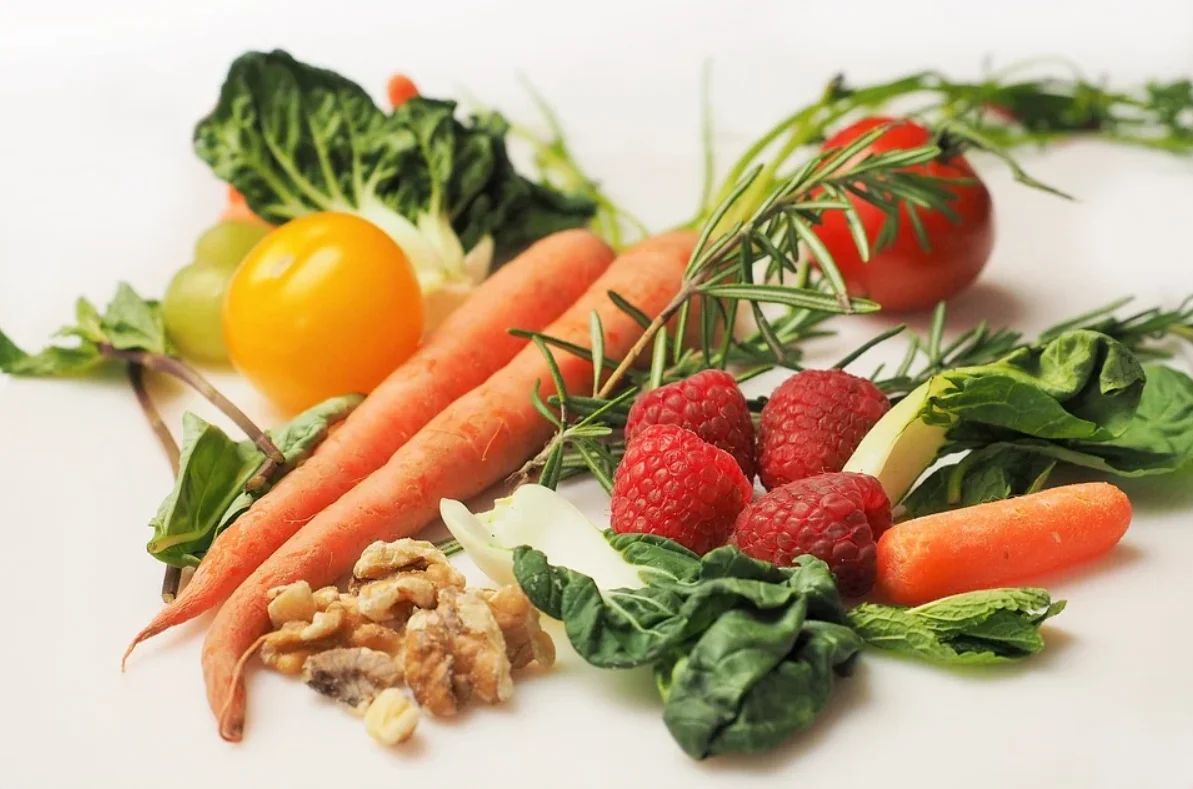
Fiber plays a great role in the management of diabetes and obesity. An adequate amount of dietary fiber must be taken from plant foods.
The recommended daily intake of fiber is 20-35g per day. This is not usually met because of less consumption of fruits and vegetables.
Consumption of soluble fiber increases gastrointestinal transit time and causes decreased absorption of nutrients by delaying enzyme function, this causes decreased metabolism of glucose that aids in managing glucose levels.
Similarly, soluble fiber slows down lipid metabolism and helps in the management of obesity.
Insoluble fiber decreases transit time in the large intestine and aid in curing constipation. A diet high in fiber usually has fewer calories, fat, and added sugars and is highly nutrient-dense.
A fiber-rich meal is processed slowly in the Gastrointestinal tract and promotes satiety. A high-fiber diet is effective in the treatment of diabetes, obesity, and cardiovascular disorders. Fiber-containing foods include legumes, cereals, fruits, vegetables, and whole grains.
Vitamins Intake:
Aging makes elder people at greater risk of deficiencies in vitamins and minerals. Hyperglycemia for longer periods increases oxidative stress. Antioxidant vitamins C and vitamin E may positively affect glycemic control.
Vitamin D deficiency can lead to osteomalacia, rickets, decreased bone density, and disability. Vitamin deficiency can lead to neuropathy, ataxia, dementia, and degeneration of the spinal cord.
Since elderly persons are prone to vitamin deficiencies, adequate supplementation of vitamins and minerals is essential.
Exercise and physical activity in Old Patients with Diabetes:
Physical activity is effective in the treatment of diabetes in both younger and older adults. Aerobic exercises are the best choice for the elderly.
Moderate to high-intensity exercise is more effective in controlling glucose levels. It should be done at least 3 days a week.
In elderly patients, special attention is required to check the presence of complications like Increased hypoglycemia, orthostatic hypotension, and dehydration. Such patients need to walk for 30 minutes daily instead of doing high-intensity exercises.
Physical activity is very beneficial not only in glycemic control but also in reducing stress and improving self-esteem and quality of life.
Exercise also ameliorates the risk of atherosclerosis and protects lean body mass along with reducing central obesity.

Foods to avoid:
Although diabetic elderly patients need extra energy to avoid weakness, some food products that must be avoided include processed red meats, refined grains, refined sugars, polished rice, and pulses.
The harmful effects of processed meat increase due to food additives and artificial flavors. Refined grains tend to have a high sugar content and a high glycemic load; they also cause constipation due to a very small amount of fiber present in them.
Older adults are at greater risk of gastrointestinal disorders, which is why such foods need to be avoided.
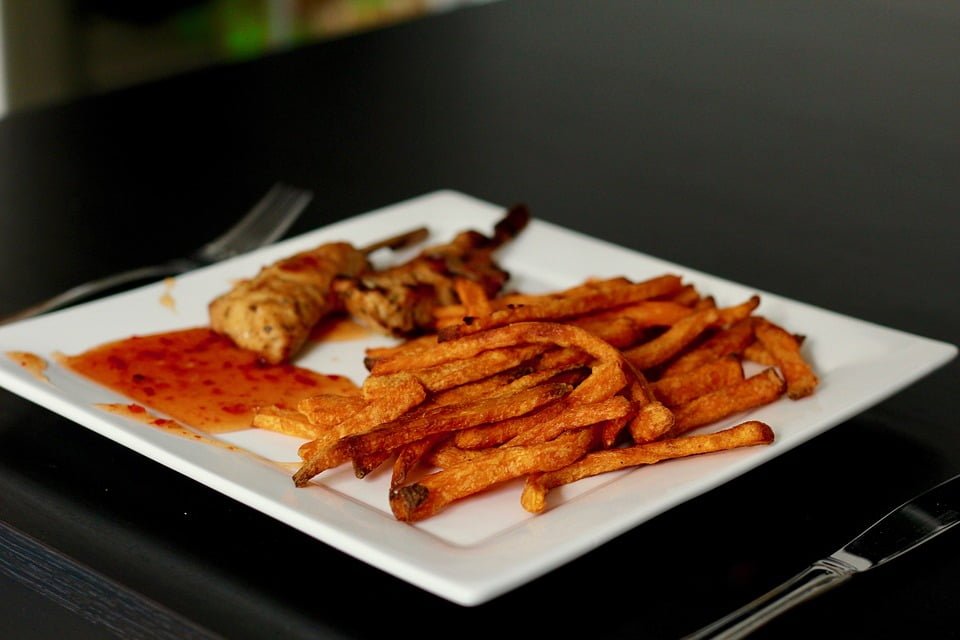
Consumption of potatoes and white rice should also be limited. Potato has a high glycemic index it must be restricted in diabetics.
Potatoes, as well as white rice, are staple foods among some populations. Proper guidelines should be given to individuals on the harmful effects of such food products and their impact on blood glucose levels.
In Summary:
The diet for old diabetic patients is a little different from young individuals. Older patients require more vitamins and fiber while having less fat. Less salt, fewer carbohydrates, and more vitamins are required by most older diabetic individuals.

- 97% Pure Berberine Powder – High-purity, plant-derived extract with a rich yellow color. Carefully processed and lab-tes…
- Naturally Bitter Taste – Berberine has a strong, naturally bitter flavor. Best enjoyed when mixed with smoothies, tea, c…
- 100g in Resealable Foil Pouch – Packaged in a premium aluminum pouch to protect from moisture and light, keeping the pow…


- 5 Delicious Flavors: Freeze-Dried Mango, Freeze-Dried Blueberry, Freeze-Dried Orange, Freeze-Dried Dragon Fruit & Freeze…
- Pure and Natural Ingredients: Our fruit powders are made without synthetic pesticides, GMOs, or harmful chemicals. Each …
- Health Benefits: Our carefully selected fruits are packed with antioxidants, vitamins, fiber, and digestive enzymes to s…

- 🌿 4 Tangy Citrus Flavors in One Pack: Enjoy a delicious variety of Orange, Lime, Lemon, and Kiwi powder – 5 sachets of e…
- 💧Easy to Mix & Refreshing: Just add to water, smoothies, sparkling drinks, or tea for a vibrant citrus kick. Dissolves i…
- 🛡️Rich in Vitamin C & Antioxidants: Made from real fruit powders, this mix offers a natural source of vitamin C to suppo…

- VARIETY PACK – Includes 5 delicious organic berry powder flavors: Freeze-Dried Goji Berry, Freeze-Dried Strawberry, Free…
- PURE INGREDIENTS – Made with 100% natural, freeze-dried berries and absolutely no added sugar, artificial ingredients, o…
- CONVENIENT PACKAGING – Contains 20 pre-portioned 5g packets (100g total), eliminating the need for measuring and ensurin…