 Dr. Ahmed
Toxemia of Pregnancy is also called preeclampsia. It is a medical condition affecting pregnant females, especially during their last 10 to 12 weeks of pregnancy. However, it can affect females as early as the 20th week of pregnancy and as later as after childbirth.
Pre-eclampsia is a medical condition linked with pregnancy. It is caused by high blood pressure,e resulting in multiple organ involvement, primarily affecting the kidneys.
The three cardinal symptoms of toxemia of pregnancy are:
- Hypertension
- Proteinuria,
- Edema.
In fact, hypertension is the causative factor that leads to proteinuria. Loss of proteins from the blood leads to extracellular fluid accumulation that manifests as edema. Edema can be best seen in the dependent parts of the body, like the legs and hands.
It can be mild or severe, usually occurs later in pregnancy, but can start in an earlier pregnancy as well. It can be life-threatening if not adequately treated.
Toxemia of pregnancy usually resolves after the delivery of the child, however, some women have persistent symptoms for 4 to 6 weeks. Even some females develop toxemia of pregnancy after childbirth.
Prevention and early diagnosis are the keys to avoiding complications related to preeclampsia. To diagnose the condition, you need to identify its symptoms early during pregnancy.
Symptoms of Toxemia of Pregnancy:
The symptoms of toxemia of pregnancy can be subtle and may be variable. Any of the following symptoms can be present in patients with toxemia of pregnancy.
- Edema in hands and feet
- Proteins in urine
- High blood pressure, i.e,. above 140/90
- Labored breathing
- Little or no urination at all
- Abdominal pain
- Headaches
- Nausea
- Vomiting
- Changes in vision, i.e., light flashes, etc.
Causes Of Pre-Eclampsia:
The exact cause of Preeclampsia or Toxemia of Pregnancy is not known. However, it is generally thought to be caused by a lack of proper functioning of the placenta.
This could be indirectly related to poor nutrition, excessive body fat, decreased blood flow to the placenta, or could be due to genetic changes.
Risk Factors for Toxemia of Pregnancy:
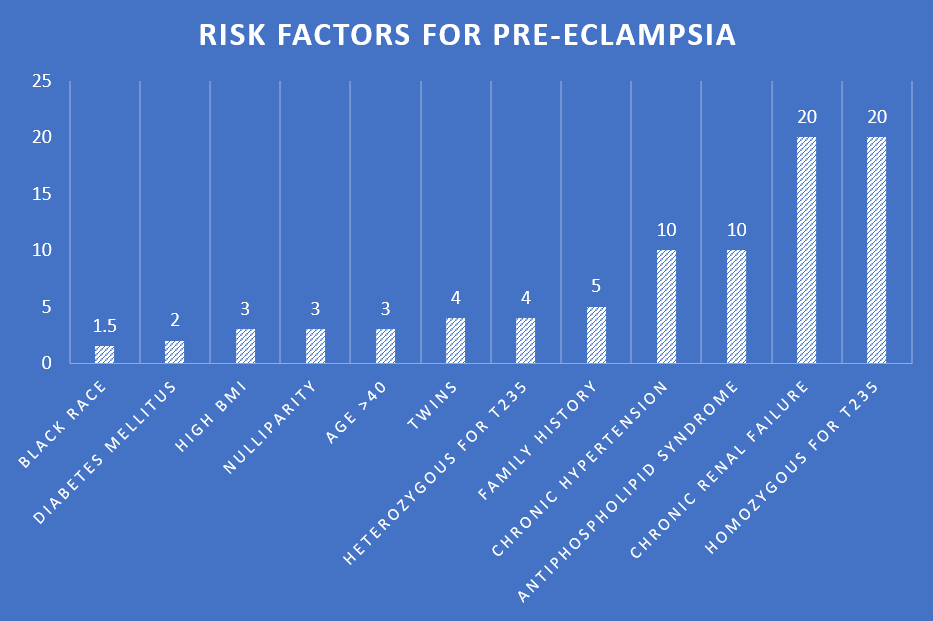
Certain factors have been identified that increase the risk of preeclampsia. These include:
- Getting pregnant for the first time or Nulliparity
- Teenage pregnancy or above 40 years
- Family history of pre-eclampsia
- Having a pregnancy with a new partner
- Having babies less than two years apart or more than two years apart
- Obese lady
- Having a pregnancy with a new partner rather than having a baby with your previous partner
- Medical history of diabetes, renal disease, or arthritis.
Complications of Preeclampsia:
As discussed earlier that there may be a lack of enough blood flow to the placenta so which affects the growth of a fetus, resulting in the birth of a very small baby, thus restricting the development of a fetus.
So,o pre-eclampsia is one of the most common causes of premature births.
Most common complications caused by toxemia of pregnancy include:
- Fluid accumulation in the chest
- Blindness
- Heart failure
- Stroke
- Liver bleeding
- Excessive bleeding after giving birth.
When pre-eclampsia affects your liver or blood cells, it can cause a group of diseases called HELLP syndrome. HELLP syndrome accounts for about 20% of patients with Toxemia of pregnancy. HELLP syndrome is a group of 3 conditions:
- H FOR Hemolysis:
- Hemolysis is a medical term indicating the breakdown of RBCs.
- EL indicates elevated Liver Enzymes:
- Commonly, ALT Liver enzymes can be increased. Increased blood levels of these enzymes can cause multiple liver problems.
- LP For Low Platelet Counts:
- Low platelet count can cause delayed blood clotting.
This syndrome is a medical emergency that immediately needs to be addressed if you’re having any of the following symptoms, you have to seek medical help at once:
- Edema in hands and feet
- Blurred vision
- Bleeding from your nose or gums
- Chest pain
- Abdominal pain
- Exertion or fatigue
- Severe headaches
- Nausea
- Vomiting
- Stillbirth:
- One of the most common complications of pre-eclampsia is stillbirth which occurs when the placenta gets separated from the uterus, known as placental abruption, thus resulting in a restricted supply of nutrition to the fetus.
Diagnosis of preeclampsia:
Toxemia of pregnancy is defined as proteinuria and two blood pressure readings performed 4 hours apart exceeding 139/89 mmHg in a previously normotensive female or two readings of systolic blood pressure exceeding 159 mmHg, or a diastolic blood pressure exceeding 109 mmHg. In such cases, repeat readings may be done after a few minutes to facilitate timely diagnosis and intervention.
The cut-off for proteinuria is 300 mg per 24 hours or a P: C (protein to creatinine ratio) of 0.3, or in areas where protein estimation is not available, +1 proteinuria on dipstick examination.
Can a person develop preeclampsia without proteinuria?
Yes. Preeclampsia or toxemia of pregnancy can also be diagnosed in a pregnant female with new-onset hypertension and any of the following features:
- New onset of thrombocytopenia with platelet counts less than 100000/ul
- A creatinine exceeding 1.1 mg/dl or doubling of serum creatinine in the absence of other identifiable causes.
- New-onset abnormal liver function tests (at least twice the upper limits of normal)
- Pulmonary edema
- Eye-related or brain-related symptoms.
You can make a self-diagnosis if you are having high blood pressure and a few other symptoms, including:
- High protein in urine
- Low platelets in your blood
- Abnormal kidney functions
- Abnormal liver enzymes
- Fluid in your lungs
- Severe headache that is not relieved with painkillers.
Lab Tests To Confirm Diagnosis:
- Blood tests to check for your platelet count and kidney or liver function
- Urine routine examination test to check for the proteins
- Ultrasound
- Blood clotting factors
- Liver function test
Treatment For Toxemia of Pregnancy (Preeclampsia):
The only definitive treatment for preeclampsia is delivering the child. You can visit your doctor on a regular basis just to confirm your delivery date and when it would be the right time to deliver your baby. You also need to monitor the health of your child and the effect of toxemia on your organs.
If your baby is fully developed, usually by 37 weeks of pregnancy, your doctor may suggest a delivery or C-section. This will prevent you from getting worse, thus putting your life at risk.
If your baby is not fully developed yet, your doctor will treat your pre-eclampsia until the baby is developed enough to be delivered safely
However, if you’re suffering from mild pre-eclampsia and not having serious symptoms, your physician may advise you:
- Anti-hypertensive drugs (blood pressure-lowering medications)
- Regular ultrasound for the health of the baby
- Regular monitoring of fetal heart rate with CTG
- Full bed rest, lying on your left side most of the time.
In some cases, if your health is at risk your doctor may advise staying in hospital for close monitoring where you’ll be given:
- Anti-hypertensive medications such as Hydralazine, Labetalol, and/or Nifedipine to lower your blood pressure, and drugs, i.e., magnesium, to control and prevent seizures or other medical conditions.
- Steroids are used to promote better lung development of your fetus.
If you’re having severe eclampsia, your doctor may go for immediate delivery to prevent any serious complications, even if you’re not close to the delivery date.
After delivery of the child, your symptoms may take about six weeks to disappear. In some cases, they may take much longer.
Prevention of preeclampsia:
There isn’t any defined way to prevent this condition; however, early diagnosis and prevention can save you from dangerous complications. It is highly recommended to have routine checkups during pregnancy to prevent preeclampsia.
Hypertension is the Number 1 Cause of Preeclampsi,a and if managed timely, you can prevent preeclampsia and the bad outcomes associated with it. A few steps to prevent preeclampsia are mentioned here:
- Lose some weight if you’re overweight
- Quit smoking
- Regular exercise or walking
- Try to control your blood pressure and blood sugar level within optimal ranges
- Closely monitor and report any major changes in your health conditions
- Drink plenty of water daily
- Minimize salt intake in your diet
- Avoid fast food
- Elevate your feet regularly to prevent edema
- Avoid caffeine
- Avoid alcohol consumption
If you have chronic hypertension or gestational hypertension, you should consult your doctor regularly. If you require medications to control your blood pressure, you should take them as prescribed.
If, despite taking pills, your blood pressure is not optimal, re-consult your doctor. You may need a dose adjustment. or a change in your medications.
It is also better to do urine dipstick testing at home. If you develop proteinuria, you should consult your doctor immediately.
If pre-eclampsia is not timely diagnosed and treated, it may result in serious life-threatening complications including liver or renal failure.

- 97% Pure Berberine Powder – High-purity, plant-derived extract with a rich yellow color. Carefully processed and lab-tes…
- Naturally Bitter Taste – Berberine has a strong, naturally bitter flavor. Best enjoyed when mixed with smoothies, tea, c…
- 100g in Resealable Foil Pouch – Packaged in a premium aluminum pouch to protect from moisture and light, keeping the pow…


- 5 Delicious Flavors: Freeze-Dried Mango, Freeze-Dried Blueberry, Freeze-Dried Orange, Freeze-Dried Dragon Fruit & Freeze…
- Pure and Natural Ingredients: Our fruit powders are made without synthetic pesticides, GMOs, or harmful chemicals. Each …
- Health Benefits: Our carefully selected fruits are packed with antioxidants, vitamins, fiber, and digestive enzymes to s…

- 🌿 4 Tangy Citrus Flavors in One Pack: Enjoy a delicious variety of Orange, Lime, Lemon, and Kiwi powder – 5 sachets of e…
- 💧Easy to Mix & Refreshing: Just add to water, smoothies, sparkling drinks, or tea for a vibrant citrus kick. Dissolves i…
- 🛡️Rich in Vitamin C & Antioxidants: Made from real fruit powders, this mix offers a natural source of vitamin C to suppo…

- VARIETY PACK – Includes 5 delicious organic berry powder flavors: Freeze-Dried Goji Berry, Freeze-Dried Strawberry, Free…
- PURE INGREDIENTS – Made with 100% natural, freeze-dried berries and absolutely no added sugar, artificial ingredients, o…
- CONVENIENT PACKAGING – Contains 20 pre-portioned 5g packets (100g total), eliminating the need for measuring and ensurin…