

 Dr. Ahmed
Visceral Fat or Omental Fat, or Internal Fat are all common terms referring to the same problem.
You might have heard “lean metabolic syndrome” or “lean but unhealthy”, and “obese but healthy”.
The difference between healthy and unhealthy lies in the amount of visceral fat you have rather than your actual weight.
A healthy lifestyle begins with a slim belly. When you measure the fat around your waist, you’re actually measuring visceral fat.
The fat that surrounds your abdominal organs is known as visceral fat or omental fat. Having a little bit of omental fat is normal, but a high degree of it can cause major health problems.
What is Visceral Fat?
Visceral fat is defined as the fat residing within the innermost regions of the abdominal cavity. It comprises 10 % of the total body fat.
It surrounds the omentum and is also called Omental fat. Omentum is a peritoneal fold that connects the internal organs.
Omental fat is stored deeper in the skin than ‘normal’ fat. It wraps around important organs such as the liver, pancreas, and kidneys.
Deposition of too much internal fat can lead to inflammation and high blood pressure, increasing the risk of major health problems. This condition is also referred to as central obesity.
Effect of Visceral Fat (Omental fat) on Hormones:
Visceral fat greatly interferes with the effects of “Adiponectin”, the fat hormone which keeps the body’s fat stores in check.
Omental fat inhibits the production of adiponectin, as a result, the body starts to generate more fat. A high amount of internal fat also causes insulin resistance.
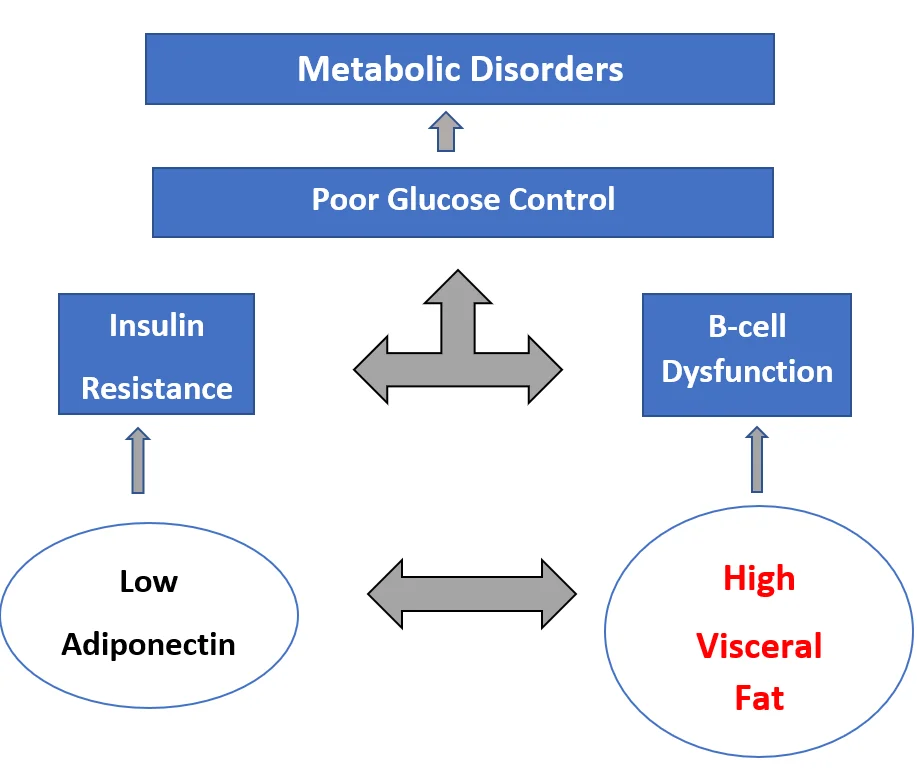
One study suggests that low adiponectin levels and high internal fat can lead to insulin resistance and increased risk of metabolic disorders. [Ref]
The relation between omental or internal fat and low adiponectin levels is summed up as follows:
How To Measure Visceral Fat (Omental Fat)?
There are various methods to measure visceral body fat. Some of these methods could be done at home, while others can only be done by a healthcare professional.
Waist to Hip Ratio:
This is an easy method that you can do at home, however, this is not an accurate way to measure internal fat.
- Stand up and straighten your back.
- Find the smallest portion of your waist and measure it. It’s commonly located just above the waistline. This is the circumference of your waist.
- Find the broadest portion of your hips or buttocks and measure it. This is the circumference of your hips.
- Subtract the circumference of your waist from the circumference of your hips. This is the value of your waist-to-hip ratio
- A healthy ratio for men is 1.0 and 0.85 for women.
Body Mass Index (BMI)
Body mass index is a good indicator of visceral fat. A high BMI value and a large waist are likely to have a high level of visceral body fat.
Body Composition Monitors:
These monitors measure the accurate amount of visceral fat and give detailed information on overall body fat composition.
Normal Range of Body Fat:
If you have a healthy level of visceral fat if your score is between 1 and 12.
You have an excessive amount of visceral fat if your score is between 13 and 59.
Harmful Effects of Visceral Fat (Omental fat):
Fat cells not only store fat but also produce inflammatory substances and hormones. Inflammatory cytokines such as TNF, IL-6, IL-1, and PAL-1 are produced by an increased number of visceral fat cells. These hormones, when released for longer periods of time, increase the risk of chronic diseases.
Excessive visceral fat also leads to plaque accumulation in arterie,s which can cause coronary heart disease.
Excessive body fat, in any form, is harmful to your health. However, as compared to subcutaneous fat (that is present just beneath the skin), visceral fat is more dangerous. It is more likely to put you at risk for major medical problems such as:
- Heart disease
- Alzheimer’s disease
- Type 2 diabetes
- Stroke
- High cholesterol
- Cancers such as breast cancer and colon cancer
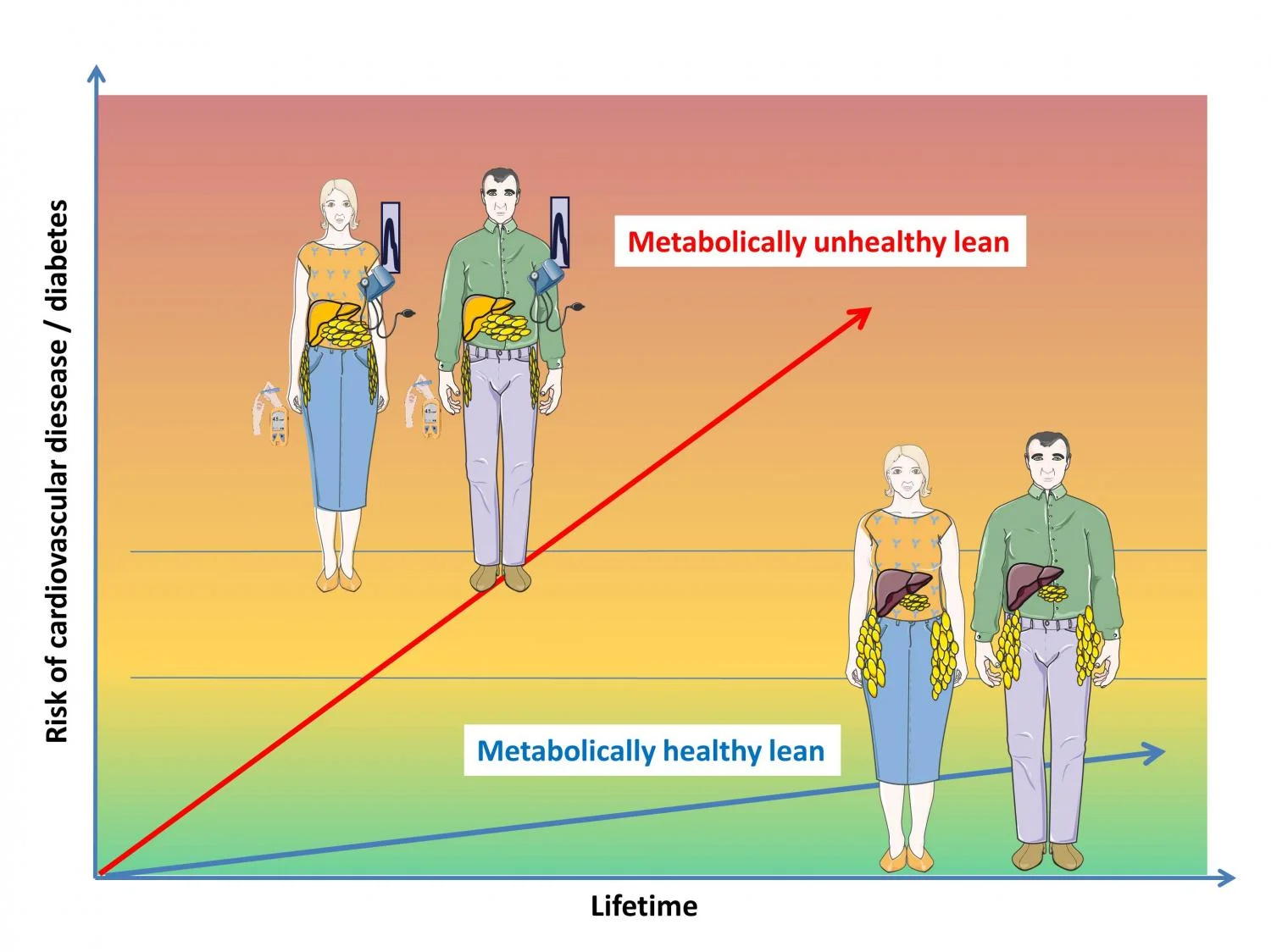
Researchers believe that Omental Fat produces more proteins that cause inflammation in your body’s tissues and organs, as well as narrowing your blood vessels. This can raise your blood pressure and produce additional complications. [Ref]
How is Visceral Fat (Omental Fat) Deposited?
Excessive fat deposition occurs when people consume too many calories and are physically inactive Some people accumulate fat around their stomach rather than other regions of the body. This is because a fat deposition is greatly dependent upon genes.
Fat deposition differs among men and women. Women’s bodies store fat in different places as they age and their muscular mass decreases and fat accumulation increases after menopause.
Even if they do not gain weight, women are more prone to accumulate Internal Fat in the abdomen as they age.
How To Get Rid of Visceral Fat (Omental Fat)?
It is surprising to know how quickly visceral fat responds to lifestyle changes. Before going for medication or surgical options, you can just improve your dietary choices and engage in regular physical activities.
The effect of Exercise on visceral fat (Omental Fat):
A daily exercise of 30-40 minutes can help, but remember that consistency is the key!
You can do brisk walking, cycling, or other exercises, especially effective for belly fat.
The Effect of Diet and Intermittent Fasting on Visceral Fat:
Diet plays a major role in weight management. A well-balanced diet must be consumed to avoid or reduce internal fat.
- Your diet must be low in simple carbs and must consist of whole grains and complex carbs
- You must avoid excessive fat consumption. Only include essential fatty acids (omega 3 & 6) which are present in olive oil, fish oils, etc.
- Avoid butter, margarine, excessive cheesy snacks, mayonnaise, and deep-fried food products
- Eat fiber-rich foods such as fruits, vegetables, beans, legumes, and seeds
- Avoid carbonated drinks and alcohol.
- Intermittent fasting causes weight loss if combined with regular exercise. It can specifically result in visceral and internal fat loss as the body starves. Starvation and intermittent fasting result in the breakdown of fats. The body metabolizes fats to get more energy instead of carbohydrates.
- Studies have also shown that prolonged fasting may cause the omental fat to become resistant to intermittent fasting [Ref].
The Effect of Liposuction on Visceral Fat:
- It is also important to know that some people go for liposuction to remove subcutaneous fat. Removing subcutaneous fat via liposuction can cause hypertrophy of the internal fat.
- Thus, people might look smarter when the subcutaneous fat is removed, and their internal fat or omental fat increases. This puts them at risk of developing heart diseases, strokes, hypertension, and other atherosclerotic conditions.
Lifestyle:
Your living environment greatly affects your body’s daily metabolic activities. In stress conditions, greater amounts of Cortisol (a hormone released during stress) are secreted, which increases the deposition of omental fat.
One study suggests that greater psychological susceptibility to stress and cortisol reactivity is linked to central fat distribution.
The study shows that this might be especially true for obese women who haven’t been exposed to a lot of stress.
Results suggested that stress-induced cortisol release plays a role in central fat storage and shows a relationship between psychological stress and increased risk of disease. [Ref]
Try to avoid stressful conditions and practice stress management techniques.
When to Seek Medical Help?
Make an appointment with your doctor if your waist is more than 40 inches for a man and more than 35 inches for a woman to address potential health risks and lifestyle modifications.

- 97% Pure Berberine Powder – High-purity, plant-derived extract with a rich yellow color. Carefully processed and lab-tes…
- Naturally Bitter Taste – Berberine has a strong, naturally bitter flavor. Best enjoyed when mixed with smoothies, tea, c…
- 100g in Resealable Foil Pouch – Packaged in a premium aluminum pouch to protect from moisture and light, keeping the pow…


- 5 Delicious Flavors: Freeze-Dried Mango, Freeze-Dried Blueberry, Freeze-Dried Orange, Freeze-Dried Dragon Fruit & Freeze…
- Pure and Natural Ingredients: Our fruit powders are made without synthetic pesticides, GMOs, or harmful chemicals. Each …
- Health Benefits: Our carefully selected fruits are packed with antioxidants, vitamins, fiber, and digestive enzymes to s…

- 🌿 4 Tangy Citrus Flavors in One Pack: Enjoy a delicious variety of Orange, Lime, Lemon, and Kiwi powder – 5 sachets of e…
- 💧Easy to Mix & Refreshing: Just add to water, smoothies, sparkling drinks, or tea for a vibrant citrus kick. Dissolves i…
- 🛡️Rich in Vitamin C & Antioxidants: Made from real fruit powders, this mix offers a natural source of vitamin C to suppo…

- VARIETY PACK – Includes 5 delicious organic berry powder flavors: Freeze-Dried Goji Berry, Freeze-Dried Strawberry, Free…
- PURE INGREDIENTS – Made with 100% natural, freeze-dried berries and absolutely no added sugar, artificial ingredients, o…
- CONVENIENT PACKAGING – Contains 20 pre-portioned 5g packets (100g total), eliminating the need for measuring and ensurin…