 Dr. Ahmed
When it comes to boosting fiber intake and supporting digestive health, psyllium husk and chia seeds are two of the most popular plant-based options available.
Both are celebrated for their ability to absorb water, form a gel-like substance in the gut, and promote healthy digestion.
However, despite these functional similarities, they possess vastly different nutritional profiles, culinary applications, and specific health benefits.
To determine which one is better for your dietary needs, it is essential to know the unique characteristics of both psyllium husk and chia seeds.
What is Psyllium Husk?
Psyllium husk comes from the seed part of the Plantago ovata plant, an herb predominantly grown in India.
It is highly valued as a dietary fiber supplement. The husk is the outer coating of the seed and is composed almost entirely of soluble fiber. When exposed to water, psyllium husk rapidly expands, forming a thick, viscous gel.
What are Chia Seeds?
Chia seeds are the little, black and white seeds of the Salvia hispanica plant, which is from the mint family and is native to Central and South America.
Historically utilized by the Aztecs and Mayans for sustained energy, chia seeds are a whole food rather than just a fiber extract.
They contain a complex matrix of macronutrients, micronutrients, and antioxidants alongside their fiber content.
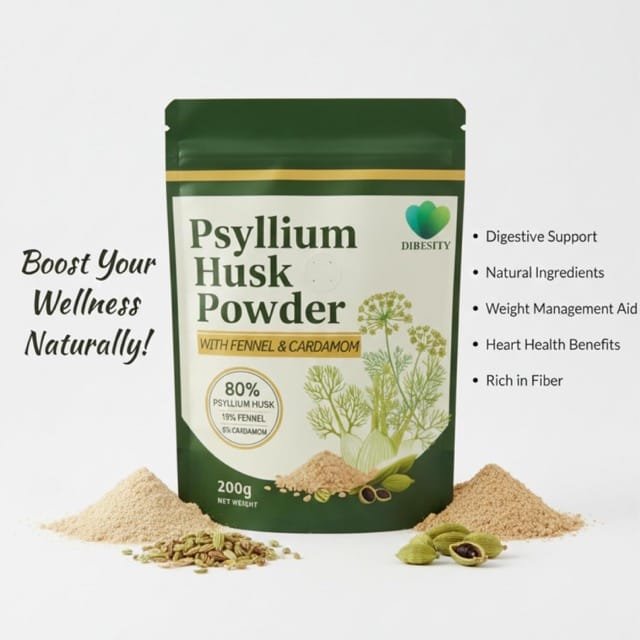
Psyllium vs Chia Seeds: Nutritional Comparison
The most significant difference between psyllium husk and chia seeds lies in their nutritional composition. Psyllium is effectively a single-nutrient supplement, whereas chia is a nutrient-dense whole food.
| Nutrition profile per 9g | Psyllium Husk | Chia Seeds |
| Calories | 30 | 60 |
| Protein | 0 g | 2 g |
| Fat | 0 g | 4 g (rich in Alpha-Linolenic Acid, an Omega-3 fatty acid) |
| Carbohydrates | 8 g | 5 g |
| Fiber | 7 g | 4 g |
| Micronutrients | Contains trace amounts of iron and potassium, but is generally devoid of significant vitamins and minerals. | Excellent source of calcium, magnesium, phosphorus, manganese, and various antioxidants. |
The Science of Satiety: Psyllium vs chia seeds for weight loss
If you want to drop a few pounds, managing hunger is simply the hardest part. This is where fiber steps in, though psyllium and chia do the job very differently.
Psyllium husk is essentially a single-purpose tool that forms a thick, highly viscous gel in your stomach.
This gel physically slows down digestion, blunts glucose spikes, and actually triggers appetite-suppressing hormones like GLP-1.
Chia seeds, on the other hand, are a whole food that relies heavily on physical bulk. Their soluble fiber expands in your gut, triggering stretch receptors that signal your brain thatyou are full.
But here is where skepticism kicks in: chia seeds only work if they actually stop you from eating other calories.
Psyllium Husk vs Chia seeds: Health Benefits
Benefits of Psyllium Husk:
- Targeted Digestive Relief:
Psyllium is an effective natural treatment for both constipation and mild diarrhea. Its high soluble fiber content absorbs water in the gut, softening stool and promoting regular bowel movements without causing severe flatulence.
2. Cholesterol Management:
Clinical studies have shown that the gel-forming fiber in psyllium binds to bile acids in the digestive tract, forcing the body to draw cholesterol from the bloodstream to produce more bile, thereby lowering LDL (bad) cholesterol.
3. Blood Sugar Control:
By slowing down the digestion process, psyllium helps regulate the absorption of glucose, preventing a sudden increase in blood sugar levels after meals.
Benefits of Chia Seeds:
- Heart Health and Inflammation:
The high concentration of plant-based Omega-3 fatty acids (ALA) in chia seeds helps reduce inflammation and supports cardiovascular health.
2. Bone Health:
A single serving of chia seeds provides a significant amount of the recommended daily intake of calcium, phosphorus, and magnesium, all of which are vital for maintaining bone density.
3. Sustained Energy and Muscle Repair:
With a good balance of complete plant protein and complex carbohydrates, chia seeds are excellent for athletes looking for prolonged energy and muscle recovery.
4. Antioxidant Protection:
Chia seeds are abundant in antioxidants like quercetin and chlorogenic acid, which protect the body from free radical damage and aging.
How to Use Psyllium Husk?
As a daily supplement it can be stirred rapidly into a glass of water or juice and consumed immediately before it thickens.
Moreover, Psyllium is a miracle ingredient in gluten-free and low-carb baking. Because it lacks gluten, the binding and elasticity properties of psyllium help keto breads, pizza crusts, and wraps hold their shape and achieve a bread-like texture.
Also, a small amount can be added to smoothies to increase fiber content and thickness.
How to Use Chia Seeds?
Can be used as chia pudding by soaking chia seeds in milk or milk alternatives, yielding a tapioca-like pudding that serves as a nutritious breakfast or dessert.
Moreover, mixing 1 tablespoon of chia seeds with 3 tablespoons of water creates a “chia egg,” a popular binding agent in vegan baking.
Additionally, chia seeds have a mild, nutty flavor and a slight crunch when dry, they can be sprinkled over oatmeal, yogurt, salads, or avocado toast.
Apart from these, chia seeds can simply be added to water with a splash of citrus, creating a natural energy drink (often called chia fresca).
Which is Better for Different Purposes?
Choosing between psyllium husk and chia seeds depends entirely on your specific health goals and how you intend to use them.
- For Relieving Constipation and Digestive Issues:
If your primary goal is to fix irregularity, soften stool, or manage irritable bowel symptoms, psyllium is superior.
It is incredibly high concentration of gel-forming soluble fiber acts as an internal broom and functions more effectively than chia seeds.
2. For Overall Nutritional Value:
If you are looking for a daily superfood to boost your intake of protein, healthy fats, minerals, and antioxidants, chia seeds win effortlessly. They are a complete food, whereas psyllium is strictly a fiber source.
3. For Lowering Cholesterol: Psyllium Husk.
While the omega-3s in chia are heart-healthy, psyllium has FDA-approved claims and extensive clinical backing for its direct ability to lower LDL cholesterol levels.
4. For Weight Loss and Satiety:
Psyllium provides maximum bulk with almost zero absorbable calories, making it a great appetite suppressant before meals.
However, the healthy fats and protein in chia seeds also promote a deep sense of fullness and help stabilize energy levels during calorie restriction.
5. For Gluten-Free / Keto Baking:
While chia can act as an egg replacer, psyllium husk is unmatched in mimicking the chewy, elastic texture of gluten in low-carb bread recipes.
6. For Culinary Versatility:
Chia seeds taste better, have a more pleasant texture, and can be integrated into a much wider variety of meals and snacks without dominating the dish.
Conclusion:
Neither psyllium husk nor chia seeds is objectively “better” than the other; rather, they serve different primary functions.
If you are treating a specific functional issue—such as high cholesterol, chronic constipation, or the need for a structural binder in keto baking—psyllium husk is the better choice. It is a targeted, high-efficiency tool for gut mechanics.
If you are seeking to enrich your overall diet with a multi-tasking whole food that provides omega-3s, protein, calcium, and antioxidants along with a gentle dose of fiber, chia seeds are the superior option.
For many health-conscious individuals, the best approach is to stock both in the pantry, utilizing psyllium as a functional supplement or baking aid, and chia seeds as a daily nutritional powerhouse.

- 97% Pure Berberine Powder – High-purity, plant-derived extract with a rich yellow color. Carefully processed and lab-tes…
- Naturally Bitter Taste – Berberine has a strong, naturally bitter flavor. Best enjoyed when mixed with smoothies, tea, c…
- 100g in Resealable Foil Pouch – Packaged in a premium aluminum pouch to protect from moisture and light, keeping the pow…


- 5 Delicious Flavors: Freeze-Dried Mango, Freeze-Dried Blueberry, Freeze-Dried Orange, Freeze-Dried Dragon Fruit & Freeze…
- Pure and Natural Ingredients: Our fruit powders are made without synthetic pesticides, GMOs, or harmful chemicals. Each …
- Health Benefits: Our carefully selected fruits are packed with antioxidants, vitamins, fiber, and digestive enzymes to s…

- 🌿 4 Tangy Citrus Flavors in One Pack: Enjoy a delicious variety of Orange, Lime, Lemon, and Kiwi powder – 5 sachets of e…
- 💧Easy to Mix & Refreshing: Just add to water, smoothies, sparkling drinks, or tea for a vibrant citrus kick. Dissolves i…
- 🛡️Rich in Vitamin C & Antioxidants: Made from real fruit powders, this mix offers a natural source of vitamin C to suppo…

- VARIETY PACK – Includes 5 delicious organic berry powder flavors: Freeze-Dried Goji Berry, Freeze-Dried Strawberry, Free…
- PURE INGREDIENTS – Made with 100% natural, freeze-dried berries and absolutely no added sugar, artificial ingredients, o…
- CONVENIENT PACKAGING – Contains 20 pre-portioned 5g packets (100g total), eliminating the need for measuring and ensurin…
