 Dr. Ahmed Farhan

What Is Hibiscus Powder?
Hibiscus powder is made from the dried calyces (the protective outer covering of the flower) of Hibiscus sabdariffa, a vibrant flowering plant belonging to the Malvaceae (mallow) family. This botanical family also includes well-known plants such as cacao, cotton, and okra.
Known as Gul-e-Khatmi, Ambadi, and Gongura in different parts of the Indian subcontinent, hibiscus has been used for centuries in traditional medicine, herbal teas, culinary preparations, and natural beauty remedies. Its distinctive deep red color comes from powerful plant compounds called anthocyanins, which are responsible for many of its health-promoting properties.
Today, hibiscus powder is gaining global popularity as a natural superfood due to its impressive nutritional profile and wide range of potential health benefits.
Nutritional Profile of Hibiscus Powder
Hibiscus powder is naturally low in calories while being rich in beneficial plant compounds, fiber, vitamins, minerals, and antioxidants.
Key Nutrients Found in Hibiscus Powder
- Dietary Fiber: Approximately 33 g per 100 g
- Vitamin C
- Iron
- Calcium
- Magnesium
- Phosphorus
- Zinc
- Copper
- Manganese
- Plant-based amino acids
- Anthocyanins
- Flavonoids
- Polyphenols
The antioxidant compounds found in hibiscus help protect cells from oxidative stress and support overall health and longevity.
Recommended Daily Intake
Most healthy adults can safely consume approximately 2–5 grams (½–1 teaspoon) daily as part of a balanced diet. However, individuals with underlying medical conditions should consult a healthcare professional before regular use.
Evidence-Based Health Benefits of Hibiscus Powder
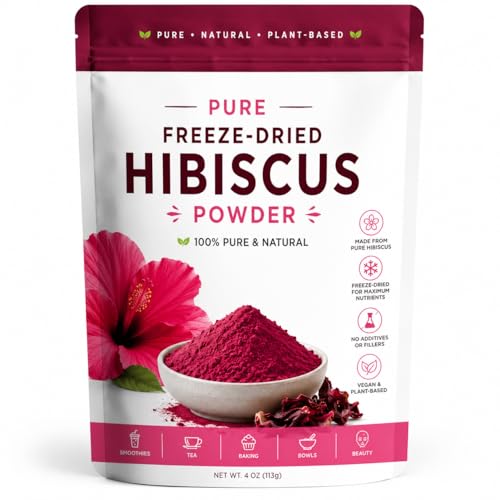
- 100% PURE FREEZE-DRIED HIBISCUS: Made from real hibiscus flowers with no additives, fillers, or added sugar — just pure,…
- MAXIMUM NUTRIENT RETENTION: Freeze-dried using a cold-preservation process that locks in the vibrant color, rich tart fl…
- VERSATILE SUPERFOOD POWDER: Perfect for teas, lemonades, smoothies, baking, acai bowls, and even beauty applications — a…
1. Supports Heart Health and Healthy Blood Pressure
One of the most extensively studied benefits of hibiscus is its positive effect on cardiovascular health.
Research suggests that hibiscus may help:
- Promote healthy blood pressure levels
- Improve blood vessel function
- Support circulation
- Reduce vascular inflammation
The anthocyanins and flavonoids in hibiscus may enhance nitric oxide activity, helping blood vessels relax and widen, a process known as vasodilation.
Several studies have also found that hibiscus consumption may:
- Lower LDL (“bad”) cholesterol
- Reduce triglyceride levels
- Support healthy HDL (“good”) cholesterol levels
These effects may contribute to a reduced risk of cardiovascular disease when combined with a healthy lifestyle.
2. Provides Powerful Antioxidant Protection
Hibiscus is exceptionally rich in antioxidants, particularly:
- Anthocyanins
- Polyphenols
- Flavonoids
These compounds help neutralize free radicals, unstable molecules that contribute to:
- Cellular aging
- Chronic inflammation
- Oxidative stress
- Cardiometabolic diseases
Regular consumption may help protect cells and tissues from long-term damage while supporting overall wellness.
3. Supports Liver Health
Emerging research suggests that hibiscus may support liver function and metabolic health.
Potential benefits include:
- Reduction of oxidative stress in liver cells
- Improved fat metabolism
- Reduced accumulation of liver fat
- Support for healthy liver enzyme levels
These effects may be particularly beneficial for individuals with metabolic syndrome or non-alcoholic fatty liver disease (NAFLD), although further research is still needed.
4. May Help Support Healthy Blood Sugar Levels
Hibiscus contains bioactive compounds that may influence carbohydrate metabolism.
Studies suggest hibiscus may:
- Slow the digestion of starches
- Reduce post-meal blood sugar spikes
- Improve insulin sensitivity
- Support healthy fasting glucose levels
While hibiscus is not a substitute for diabetes treatment, it may serve as a useful addition to a comprehensive lifestyle approach that includes healthy eating, physical activity, and medical supervision.
5. Supports Weight Management
Hibiscus has become increasingly popular in natural weight management programs.
Research indicates that hibiscus may:
- Help reduce fat accumulation
- Influence enzymes involved in fat digestion
- Support metabolic efficiency
- Promote reductions in body weight and body mass index (BMI)
When combined with calorie control, regular exercise, and healthy sleep habits, hibiscus may contribute to long-term weight management goals.
6. Promotes Digestive Health
Hibiscus powder is an excellent source of dietary fiber, which supports digestive wellness in several ways.
Potential digestive benefits include:
- Supporting regular bowel movements
- Feeding beneficial gut bacteria
- Improving stool consistency
- Promoting digestive comfort
The natural fruit acids found in hibiscus may also assist digestion by supporting the breakdown of food.
Additionally, its anti-inflammatory compounds may help soothe occasional digestive discomfort.
7. Acts as a Mild Natural Diuretic
Traditional herbal medicine has long used hibiscus as a natural diuretic.
Hibiscus may help:
- Increase urine output
- Reduce excess fluid retention
- Support kidney function
- Promote sodium balance
Unlike some stronger diuretics, hibiscus appears to have a relatively gentle effect when consumed in moderate amounts.
8. Supports Immune Function
The combination of vitamin C, iron, antioxidants, and trace minerals makes hibiscus a valuable addition to an immune-supportive diet.
These nutrients help:
- Support normal immune responses
- Protect cells from oxidative damage
- Promote healthy tissue repair
- Maintain overall vitality
9. Benefits Skin Health and Healthy Aging
Hibiscus is often referred to as the “Botox Plant” in natural skincare circles due to its potential anti-aging effects.
Its skin-supportive properties include:
Vitamin C Support
Vitamin C contributes to collagen production, helping maintain skin firmness and elasticity.
Antioxidant Protection
Anthocyanins help protect skin cells from oxidative stress associated with premature aging.
Natural Alpha-Hydroxy Acids (AHAs)
Hibiscus naturally contains mild AHAs that may help:
- Exfoliate dead skin cells
- Improve skin texture
- Enhance skin brightness
These properties have made hibiscus a popular ingredient in natural beauty products worldwide.
10. Provides Plant-Based Nutritional Support
Although not a major protein source, hibiscus powder contains small amounts of plant-derived amino acids that contribute to overall nutritional intake.
Combined with its fiber, minerals, and antioxidants, hibiscus offers a comprehensive nutritional profile that complements a healthy diet.
Traditional Uses of Hibiscus Across Cultures
For centuries, hibiscus has been valued in traditional healing systems around the world.
Middle East
Known as Karkade, hibiscus tea has traditionally been consumed to support heart health and healthy blood pressure.
Traditional Chinese Medicine
Hibiscus has been used as a mild laxative and diuretic to promote fluid balance and digestive function.
Africa
Traditional healers have used hibiscus extracts for wound care and to help manage inflammation.
South Asia
In Pakistan, India, and Bangladesh, hibiscus has been used in:
- Herbal remedies
- Chutneys and jams
- Natural food coloring
- Hair care preparations
- Ayurvedic skincare treatments
Its culinary and medicinal versatility continues to make it a household favorite.
Potential Side Effects and Precautions
Although hibiscus powder is generally safe for most healthy adults, certain individuals should exercise caution.
Blood Pressure Medications
Because hibiscus may lower blood pressure, it can potentially enhance the effects of antihypertensive medications and increase the risk of hypotension.
Diabetes Medications
Individuals taking medications for diabetes should monitor blood sugar levels carefully, as hibiscus may contribute to additional glucose lowering.
Pregnancy and Breastfeeding
Limited safety data are available regarding hibiscus supplementation during pregnancy and lactation.
Some evidence suggests that hibiscus may influence hormone activity and uterine contractions. Therefore, pregnant or breastfeeding women should consult their healthcare provider before use.
Hormone-Sensitive Conditions
Hibiscus contains naturally occurring plant compounds that may interact with hormonal pathways. Individuals undergoing fertility treatments, IVF, or hormone-related therapies should seek medical advice before using hibiscus supplements.
Medication Interactions
Potential interactions have been reported with:
- Acetaminophen (Tylenol)
- Certain antimalarial medications
- Blood pressure medications
- Blood sugar-lowering medications
Kidney Stone Risk
Hibiscus contains oxalates, which may contribute to kidney stone formation in susceptible individuals. Those with a history of kidney stones or chronic kidney disease should use caution.
Final Thoughts: Is Hibiscus Powder Worth Adding to Your Wellness Routine?
Hibiscus powder is far more than a colorful herbal ingredient. Backed by both traditional use and modern scientific research, this nutrient-rich red superfood offers potential benefits for heart health, blood sugar management, liver support, digestive wellness, weight management, immune function, and healthy aging.
Its powerful antioxidant content, rich fiber profile, and naturally occurring plant compounds make it a valuable addition to a healthy lifestyle.
While hibiscus is generally safe when consumed in moderation—typically 2 to 5 grams daily—it should be used thoughtfully, particularly by individuals taking medications or managing chronic health conditions.
When incorporated responsibly into a balanced diet, hibiscus powder can serve as a simple yet effective way to support overall wellness, metabolic health, and long-term vitality.
Disclaimer: This article is for educational purposes only and does not constitute medical advice. Always consult a qualified healthcare professional before starting any supplement, especially if you are pregnant, breastfeeding, taking medications, or managing a chronic medical condition.