
 Dr. Ahmed Farhan

If you wake up every morning tired, with a foggy brain, and need a caffeine boost so that you can function, while still being hit by a wave of fatigue before the day even ends, you are not alone.
In this global village kind of world, many people suffer the same fate. And it is no surprise that adrenal fatigue is making its way into all kinds of wellness blogs and social media articles around the world.
This theory suggests that due to prolonged physical and mental stress, your adrenal gland burns out and releases an insane amount of cortisol, resulting in severe fatigue and weight gain.
To manage this adrenal fatigue, wellness advocates or fitness coaches around the world promote an adrenal diet.
This adrenal diet consists of certain dietary approaches to support your stress response system, stabilize your energy, and balance your hormones.
Basically, these are the dietary approaches to combat stress. What is the biology behind stress? Firstly, you have to understand this. Then we’ll dive deep into the mechanism of how the adrenal diet works.
What is the Biology Behind Stress?
Your body handles stress through a complex mechanism. This communication mechanism of handling stress is known as the hypothalamic-pituitary-adrenal (HPA) axis.
When you encounter any potential trigger to stress, whether it’s work stress, financial stress, or any physical stress, your hypothalamus stimulates your pituitary glands, which signal your adrenal glands (which are present at the top of your kidneys) to release adrenaline and cortisol.
Cortisol is often labeled as a stress hormone, but it isn’t the case; it is very much vital for our survival. Under normal circumstances, cortisol follows a diurnal rhythm.
In the morning, cortisol peaks, giving you the right amount of energy to start your day. Throughout the day, the levels of cortisol gradually depletes And at night, cortisol hits its lowest point, which signals its counterpart, melatonin, to elevate for a sound sleep.
When chronic stress hits your body, this rhythm breaks, and instead of a smooth curve, the cortisol level can spike at any time of the day, which keeps you wired but tired. Your body remains exhausted during the day but unable to sleep soundly at night.
Medically, there is no relation between adrenal fatigue and dietary mechanisms. In fact, there is no clinical term used for adrenal fatigue, as adrenal glands do not structurally break due to stress, and if they do, they need a serious medical intervention, and it is called Addison’s disease (adrenal insufficiency).
Although severe stress can alter how your brain manages the HPA axis. So the symptoms associated with adrenal fatigue, like brain fog, extreme exhaustion, salt cravings, and mood swings, are somewhat real.
Thus, the adrenal diet works not because it alters adrenal glands’ physiology or anything but because it acts as an exceptional framework for blood sugar regulation, inflammation reduction, and nutrient- density.
Pillars of the Adrenal Diet:
Your body runs on fuel. The ultimate goal of an adrenal-friendly diet is to eliminate metabolic stressors and provide your body with steady, predictable clean fuel, which prevents your body from blood sugar crashes that trigger adrenaline and cortisol spikes.
● Timing of meals:
When you are under chronic stress, skipping meals is considered throwing fuel on the fire. When your blood sugar drops too low, your brain considers it a famine-like situation and triggers your adrenal glands to release more cortisol so that glucose remains flooded in the bloodstream.
So don’t skip your breakfast; eating a high-protein breakfast within one hour of waking up helps the morning cortisol spike and sets a stable baseline for blood sugar.
Eating at regular intervals, i.e, aiming for 3 balanced meals and 2 snacks throughout the day, doesn’t cause cortisol levels to crash.
Avoid heavy dinners at night and eat your last major meal 2 to 3 hours before sleeping so that your digestion doesn’t disrupt your sleep cycle.
● Prioritize PFF plate method:
Every time you eat, your plate must contain protein, fat, and fibre (PFF). This combination slows digestion and ensures a slow, gradual release of glucose in your bloodstream.
● Clean Proteins:
High-quality proteins provide the amino acids necessary for hormone synthesis and cellular repair. Focus on wild-caught fish, grass-fed meats, poultry, eggs, and plant-based options like lentils and chickpeas.
● Healthy Fats:
Essential fatty acids are the literal building blocks of your hormones. Incorporate extra virgin olive oil, avocados, nuts, seeds (chia, flax, and pumpkin), and wild salmon.
● Complex, Fibre-Rich Carbs:
Carbohydrates are not the enemy; in fact, ultra-low-carb keto diets can actually increase cortisol levels by signaling a starvation state to the brain. The key is to choose complex carbohydrates that contain a high amount of fiber, such as sweet potatoes, quinoa, oats, and buckwheat.
● Micronutrients:
Apart from macronutrient quantities, certain micronutrients are equally important for cortisol regulation.
● Vitamin C:
The adrenal glands contain one of the highest concentrations of Vitamin C in the entire human body. It is heavily consumed during times of high stress to help synthesize cortisol and combat oxidative damage. Load up on citrus fruits, bell peppers, strawberries, and kale.
● Magnesium:
Often called the “original chill pill,” magnesium helps relax muscles, calms the nervous system, and improves sleep quality.
Stress rapidly depletes magnesium, making foods like spinach, Swiss chard, pumpkin seeds, and dark chocolate essential.
● B Vitamins (especially B5 and B6):
Vitamin B5 (pantothenic acid) is a fundamental cofactor for hormone production within the adrenal cortex, while B6 helps produce calming neurotransmitters like serotonin and GABA.
● Tame the inflammatory triggers. (foods to avoid)
To allow your HPA axis to work properly, you have to avoid certain food that promotes systemic inflammation.
● Refined Sugars and High-Fructose Corn Syrup:
Found in pastries, sodas, and processed snacks, these cause rapid insulin spikes, driving erratic cortisol fluctuations.
● Ultra-Processed Foods:
Heavily processed items loaded with trans fats, artificial additives, and refined white flours strain your digestive tract and liver.
● Caffeine Overconsumption:
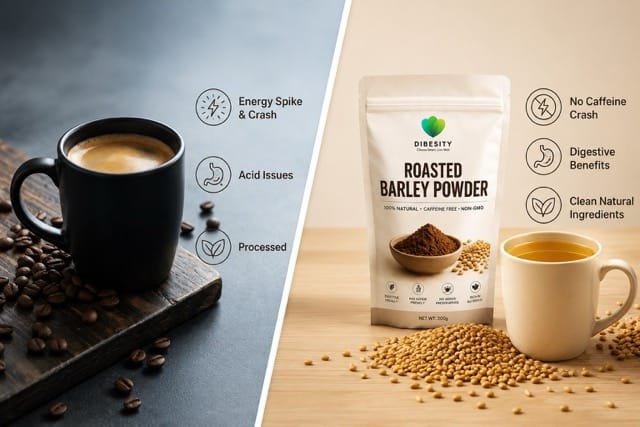
While a single cup of organic coffee can be fine for some, relying on multiple cups of caffeine throughout the day forcefully stimulates your adrenal glands to pump out adrenaline and cortisol.
If you are deeply exhausted, consider temporarily switching to herbal teas or adaptogenic mushroom coffee alternatives.
Beyond the Plate: lifestyle approaches
You can not act upon your dietary approaches without fully changing your lifestyle. The stressful environment you are in needs to be changed as well for this dietary framework to work at its fullest. True recovery requires a multi-faceted lifestyle approach:
● Prioritize Sleep Hygiene:
Protect your sleep window fiercely. Aim for 7 to 9 hours of sleep per night. Dim your household lights after sunset, turn off screens an hour before bed, and keep your bedroom cool and pitch-black.
● Modify Your Exercise:
When your body is dealing with chronic exhaustion, intense workouts like HIIT (High-Intensity Interval Training) or heavy distance running can spike your cortisol too high, driving you deeper into depletion.
Shift your focus toward restorative movement like walking in nature, yoga, Pilates, or light strength training.
● Incorporate Daily Downregulation:
Dedicate 10 to 15 minutes a day to consciously calming your nervous system. This can be through deep diaphragmatic breathing, meditation, journaling, or simply sitting quietly without a smartphone in hand.