

 Dr. Ahmed Farhan
Managing diabetes is already a full-time job. You’re tracking blood sugar, counting carbs, watching your feet, and monitoring your energy levels.
So, when constipation joins the party, it feels like a particularly cruel addition to an already crowded plate.
It’s a common duo, though. High blood sugar over time can lead to gastroparesis or nerve damage in the digestive tract (autonomic neuropathy), slowing down “transit time.”
When things move slowly, the colon absorbs too much water, leaving you feeling backed up, bloated, and generally miserable.
The standard advice for constipation is “eat more fiber.” But for a diabetic, it’s not that simple. Some high-fiber foods (like certain fruits or sweetened cereal bars) can send your glucose levels on a rollercoaster ride.
You need fiber that fixes the “plumbing” without breaking the “thermostat” (your blood sugar).
Here is the deep dive into the best types of fiber for constipation specifically tailored for the diabetic life.
1. The Fiber Hierarchy: Soluble vs. Insoluble Fiber
To understand which fiber is “best,” we have to look at the two types. Most whole foods contain a mix of both, but they do very different things in your gut.
• Insoluble Fiber: Think of this as the “broom.” It’s found in wheat bran, vegetable skins, and whole grains. It doesn’t dissolve in water; it stays intact and adds bulk to the stool, physically pushing things through.
• Soluble Fiber: Think of this as the “sponge.” It’s found in oats, beans, and citrus. It dissolves in water to form a gel-like substance.
The Diabetic Advantage: For someone with diabetes, soluble fiber is the MVP. Because it turns into a gel, it slows down the absorption of sugar into your bloodstream.
It creates a “buffer zone,” preventing those sharp post-meal glucose spikes. However, for constipation, you need a balance of both.
2. The Gold Standard: Psyllium Husk
If there were a hall of fame for diabetic-friendly fibers, Psyllium would be the first inductee. Derived from the seeds of the Plantago ovata plant, psyllium is a soluble, viscous fiber.
Why it works for Constipation: It absorbs water in your gut, making stools softer and easier to pass. It’s a “bulking” agent that provides the urge to go without the harsh cramping associated with stimulant laxatives.
Why it works for Diabetes: Multiple studies have shown that taking psyllium before a meal can significantly lower fasting blood sugar and HbA1c levels. It slows down digestion, giving your insulin (whether natural or injected) more time to work.
Pro Tip: If you buy a supplement like Metamucil, check the label! Many are loaded with sugar or maltodextrin.
Look for “Sugar-Free” or, better yet, buy 100% pure organic psyllium husk powder to mix into water or unsweetened almond milk.
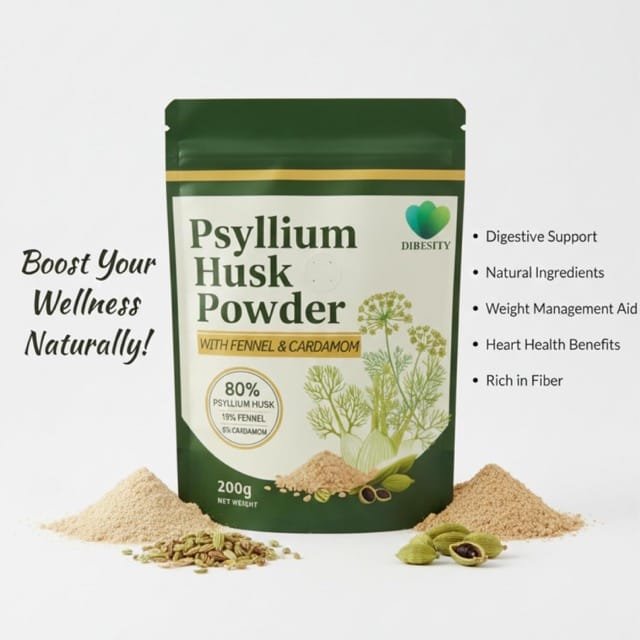
Psyllium husk has a naturally earthy flavor that not everyone enjoys. The addition of fennel and cardamom can make the taste more pleasant while providing traditional digestive benefits. These spices are often used to support digestive comfort and healthy metabolic balance.
Buy: Organic Psyllium Husk (80%) with 15% Fennel and 5% Cardamom
3. The Power of Seeds: Chia and Flax
Seeds are a diabetic’s secret weapon. They are low in “net carbs” because almost all their carbohydrate content comes from fiber.
Chia Seeds:
When you soak chia seeds, they develop a gelatinous coating. This is exactly what happens in your stomach.
They provide a massive amount of fiber (about 10 grams in just two tablespoons) while being virtually carb-neutral. They keep the stool hydrated, which is the number one rule for overcoming constipation.
Ground Flaxseeds:
Flaxseeds are rich in insoluble fiber and mucilage (a gummy substance). Crucial note: You must eat them ground.
If you eat whole flaxseeds, they usually pass through you completely undigested, providing zero benefit.
Ground flax is excellent for “moving the mail” and is also packed with Omega-3 fatty acids, which help reduce the inflammation often associated with diabetes.
4. Beans and Legumes: The Slow Burn
Beans are often feared by diabetics because they contain carbohydrates. However, they are one of the best sources of Resistant Starch.
Resistant starch acts like fiber; it “resists” digestion in the small intestine and ferments in the large intestine.
This fermentation process feeds the good bacteria in your gut (probiotics), which produces short-chain fatty acids that help keep the colon moving.
• Lentils: Easy to digest and high in protein.
• Black Beans: Great for bulk.
• Chickpeas: Versatile and high in fiber.
Diabetic Tip: To keep blood sugar stable, pair your beans with a healthy fat (like avocado) or a lean protein (like chicken) to further flatten the glucose curve.
5. Low-Glycemic Vegetables
You can’t talk about fiber without the “green stuff.” But not all veggies are equal. For constipation, you want the fibrous, “tough” vegetables.
• Broccoli and Cauliflower: These are high in insoluble fiber. They add the necessary weight to the stool to trigger a bowel movement.
• Leafy Greens (Spinach, Kale, Swiss Chard): These are packed with magnesium.Magnesium is a natural muscle relaxant; it helps the muscles in the intestinal wall relax, which is vital for moving waste along.
• Artichokes: One of the highest-fiber vegetables on the planet. One medium artichoke has about 7 grams of fiber and very little impact on blood sugar.
6. The “Fruit” Factor
Many people reach for prune juice when they’re constipated. For a diabetic, prune juice is a trap. It’s concentrated sugar without the fiber to slow it down. It will spike your sugar instantly.
Instead, go for:
• Berries (Raspberries and Blackberries): These have the highest fiber-to-sugar ratio of any fruit. One cup of raspberries has 8 grams of fiber.
• Avocado: Yes, it’s a fruit! One avocado has about 10–13 grams of fiber and healthy fats that “lubricate” the digestive tract.
• Pears or Apples (With the Skin): The skin is where the insoluble fiber lives. Eat them in moderation and always with a protein to keep your numbers steady.
7. The Golden Rule: Water is the Engine
You can eat all the fiber in the world, but if you don’t drink enough water, you will actually makeyour constipation worse.
Fiber needs water to work. Without it, fiber becomes a hard, dry plug in your intestines. Because high blood sugar can cause dehydration (as your kidneys try to flush out excess sugar through urine), diabetics are at a higher risk of “fiber-clogging.”
The Goal: Aim for at least 8–10 glasses of water a day. If your urine isn’t pale yellow, you aren’t drinking enough to support your fiber intake.
8. Timing and Consistency
For a diabetic, consistency is king. Don’t try to go from 10 grams of fiber to 35 grams in one day. You will end up with gas, bloating, and painful cramping.
The Strategy:
- Start Low, Go Slow: Add 5 grams of fiber per day each week.
- Fiber at Every Meal: Instead of one high-fiber meal, spread it out. 5-8 grams at breakfast, lunch, and dinner is much easier on the digestive system and your blood sugar.
- The “Pre-Meal” Fiber Hit: Taking a spoonful of psyllium or a small salad 15 minutes before a heavy meal is a clinical trick to keep your post-meal glucose in check.
Checklist for Diabetic Regularity
| Fiber Source | Type | Why it’s Great | Diabetic Note |
| Psyllium Husk | Soluble | Best for blood sugar & softening | Use sugar-free versions only. |
| Chia Seeds | Soluble/Mucilage | Hydrates the colon | Zero-impact on glucose. |
| Lentils | Resistant Starch | Feeds gut bacteria | Count the carbs, but enjoy the fiber. |
| Berries | Soluble/Insoluble | Natural sweetness + high fiber | Lowest glycemic fruit option. |
| Leafy Greens | Insoluble | Adds bulk and Magnesium | Eat as much as you want! |
Conclusion:
Constipation doesn’t have to be a permanent side effect of living with diabetes. By focusing on soluble fibers like psyllium and chia, staying hydrated, and avoiding the “sugar traps” of fruit juices, you can get things moving again without compromising your A1c.
Listen to your body. If you feel bloated, back off the fiber for a day and increase your water. It’s a delicate balance, but once you find your “sweet spot,” your energy levels and your gut will thank you.

- 97% Pure Berberine Powder – High-purity, plant-derived extract with a rich yellow color. Carefully processed and lab-tes…
- Naturally Bitter Taste – Berberine has a strong, naturally bitter flavor. Best enjoyed when mixed with smoothies, tea, c…
- 100g in Resealable Foil Pouch – Packaged in a premium aluminum pouch to protect from moisture and light, keeping the pow…


- 5 Delicious Flavors: Freeze-Dried Mango, Freeze-Dried Blueberry, Freeze-Dried Orange, Freeze-Dried Dragon Fruit & Freeze…
- Pure and Natural Ingredients: Our fruit powders are made without synthetic pesticides, GMOs, or harmful chemicals. Each …
- Health Benefits: Our carefully selected fruits are packed with antioxidants, vitamins, fiber, and digestive enzymes to s…

- 🌿 4 Tangy Citrus Flavors in One Pack: Enjoy a delicious variety of Orange, Lime, Lemon, and Kiwi powder – 5 sachets of e…
- 💧Easy to Mix & Refreshing: Just add to water, smoothies, sparkling drinks, or tea for a vibrant citrus kick. Dissolves i…
- 🛡️Rich in Vitamin C & Antioxidants: Made from real fruit powders, this mix offers a natural source of vitamin C to suppo…

- VARIETY PACK – Includes 5 delicious organic berry powder flavors: Freeze-Dried Goji Berry, Freeze-Dried Strawberry, Free…
- PURE INGREDIENTS – Made with 100% natural, freeze-dried berries and absolutely no added sugar, artificial ingredients, o…
- CONVENIENT PACKAGING – Contains 20 pre-portioned 5g packets (100g total), eliminating the need for measuring and ensurin…