
 Dr. Ahmed
Whether you walk into a beauty retailer or scroll through TikTok for skincare, these two trends are the most prominent: clean beauty and clinical formulations.
Clean beauty tends to focus on plant-based or sustainably sourced ingredients, while clinical beauty often revolves around active ingredients supported by evidence and research.
Today, skincare fans aren’t just picking between natural and synthetic. Instead, the conversation is about finding a balance between what nature offers and what science delivers.
The Increasing Popularity of Clean Beauty
The trend of clean beauty resulted from the increasing worry about synthetics. Social media campaigns and ingredient-aware influencers are introducing phrases like “paraben-free,” “sulfate-free,” and “non-toxic” to a generation of consumers who are thinking about what goes on (and into) their skin.
Nevertheless, a definition of clean beauty cannot be uniform amongst brands. Some brands do not use certain ingredients, such as silicones, mineral oils, or synthetic fragrances.
While others focus on responsible sourcing, biodegradable packaging, or cruelty-free testing. Because clean does not have a firm definition, it can mean widely differing things to different people.
For many consumers, however, clean beauty is about empowerment – it’s about feeling closer to nature and about aligning their decisions with their values.
It is also a backlash against decades of marketing that emphasized value preservation over safety.
However, as the trend grew, some problems became clear. Critics say that clean beauty often uses fear-based marketing by making chemicals seem dangerous without scientific proof.
For example, water is a chemical, and natural ingredients are not always safe, like poison ivy or some essential oils that can cause burns.

- 1-MONTH SUPPLY: One (1) bottle of Nutrafol Women’s Balance Hair Growth Supplements for visibly thicker, fuller, stronger…
- FOR WOMEN AGES 45 AND UP: Physician-formulated supplement that improves hair growth for women ages 45 and older by targe…
- RESULTS IN 3-6 MONTHS: Take 4 capsules once daily for visible results. In a clinical study, 93% of women felt their hair…

Clinical Formulations: The Science of Efficacy
Clean beauty is recognized for its uncomplicated philosophy, while clinical formulations emphasize exactness. The formulations incorporate dermatologically based science and studies.
All the products are formulated with active ingredients such as retinoids, peptides, niacinamide, and alpha hydroxy acids, all of which have been recognized to enhance skin texture, decrease dark spots, and alleviate the signs of aging.
Clinical skincare brands pride themselves on transparency through data rather than marketing fluff.
They share percentages of actives, publish clinical trial results, and often collaborate with dermatologists. For consumers tired of vague promises, that kind of credibility feels refreshing.
Clinical formulations are also popular because they show clear results. Lab-designed products often work faster and more reliably, especially for tough skin issues like acne, melasma, or rosacea.
These products are not focused on being gentle and botanical; they are made to be effective.
The Consumer Shift:
Today’s beauty customers are expansive in how they think. They understand that natural and synthetic ingredients are simply different styles, fulfilling different needs.
What people want now is balance: clean products that also work well, and clinical formulas that are safe, sustainable, and transparent.
This new way of thinking matches changes happening in society. People want more thoughtful choices instead of extremes, whether in politics, food, or skincare.
Now, a product needs to be both eco-friendly and effective. In the same way, scientific claims should also be backed by ethical practices.
Brands are noticing this shift. Many new ‘clean-clinical’ companies are combining the best of both approaches by using dermatologist-approved ingredients and avoiding unnecessary additives or irritants.
Brands like Biossance, Youth to the People, and NIOD (The Ordinary’s sister brand) are known for being transparent and innovative, without relying on misleading marketing or scientific snobbery.
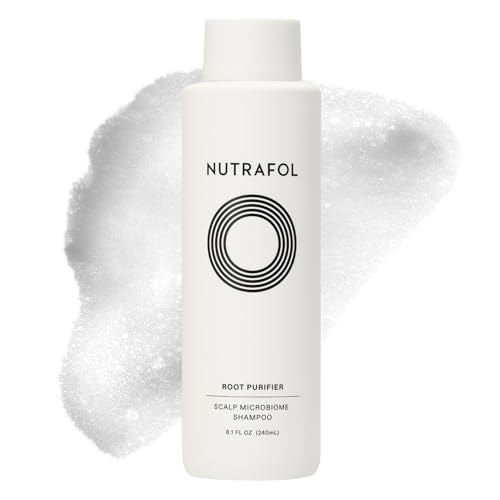
- DAILY CLEANSING SHAMPOO: One (1) 8.1 fl oz bottle of Nutrafol Root Purifier Shampoo is physician-formulated to hydrate t…
- COLOR-SAFE FOR WOMEN WITH THINNING HAIR: Hydrating shampoo formulated without sulfates and deeply cleanses and reduces e…
- RESULTS IN 2 WEEKS: In a clinical study, 100% of users saw an improvement in scalp dryness and flakiness immediately and…
The Ingredient Debate: Natural vs. Synthetic, or Just Functional?
Much of the clean-versus-clinical tension boils down to ingredients. Clean beauty often emphasizes plant extracts, seed oils, and naturally derived antioxidants.
While clinical skincare leans on synthesized molecules with controlled potency.
However, in reality, the distinction between natural and synthetic is increasingly gray. For example, while vitamin C (ascorbic acid) may be found in nature, it is usually stabilized in a lab to prevent oxidation.
Hyaluronic acid was originally harvested from rooster combs but now can be bio-engineered safely through fermentation.
Even “green” brands depend on labs in order to stabilize their products and ensure shelf life.
The key question is not whether an ingredient is natural or synthetic, but whether it is effective and safe at the rate of use. In some cases, synthetic ingredients are more sustainable
Consumers are becoming more ingredient-literate, too. Tools like INCI Decoder, Paula’s Choice Ingredient Dictionary, and SkinCarisma allow anyone to look up what’s actually in their moisturizer or serum.
Fear-Based Marketing: The Hidden Cost of “Clean”
Even with good intentions, some parts of the clean beauty movement have drifted into pseudoscience. ‘Free from’ lists on packaging often use fear instead of education.
Terms like ‘chemical-free’ or ‘toxin-free’ are not scientific statements since everything is made of chemicals. Fear-based narratives can also stigmatize life-saving innovations.
Preservatives are required to prevent bacteria from growing in products that are exposed to water, or consumers are inherently at a higher risk of harm without preservatives.
Similarly, while fragrance chemicals have some concerns about allergies, synthetic fragrances are typically safer and more stable than natural fragrance chemicals.
The most responsible brands in the clean movement are moving away from fear-based messages and focusing on safety backed by evidence.
‘Clean’ is changing from ‘free from’ to ‘safe for’—safe for people, the planet, and future generations.

- DAILY CLEANSING SHAMPOO: One (1) 1-liter bottle of Nutrafol Root Purifier Shampoo is physician-formulated to hydrate the…
- COLOR-SAFE FOR WOMEN WITH THINNING HAIR: Sulfate-free dry scalp shampoo deeply cleanses and removes excess oil without s…
- RESULTS IN 2 WEEKS: In a clinical study, 100% of users showed immediate improvement in dryness and flakiness and 100% sa…
The Clinical Rebrand: Making Science Feel Human
Conversely, many science-first brands are not merely content to lean into data. They are learning the language of wellness and empathy.
The emergence of “dermatologist-developed” and “science-backed clean” brands illustrates this transition.
Consumers value scientific studies and research, but they also want their products to evoke a feeling of connection and emotional attachment.
The new generation of retinoids, for example, now uses gentler delivery systems that are more comfortable and still efficacious.
Niacinamide, once thought of as a niche ingredient, is now a universal hero for its ability to soothe while also strengthening the natural defenses of the skin.
Science has become more human, which is a good thing.
Transparency and Trust: The New Luxury
In an era where information is abundant, but trust is scarce, transparency has become the new luxury.
Consumers no longer want vague claims; they want to know what’s in their products, how they’re made, and why certain ingredients are chosen.
This shift is pushing many clean and clinical brands to be more externally focused. Ingredient lists are now being leveraged for education, rather than just being viewed as the fine print.
The end result? A more mature and educated beauty market, in which consumers can feel brand loyalty based not just on aesthetics.
Conclusion
Clean beauty taught us to be mindful, while clinical formulations brought proven results. Together, they show what modern skincare should be: effective, ethical, and based on evidence.
The real beauty of this balance lies in choice. You can love your cold-pressed rosehip oil and your 1% retinol serum equally.
You can care about carbon footprints and clinical trials at the same time. The goal is not to pick a side, but rather to remain curious, thoughtful, and informed.
Ultimately, the best skin isn’t the result of a flawless regimen, but thoughtful decisions that embrace both nature and science.
Clean and clinical can coexist harmoniously, and when they do, skincare becomes meaningful rather than a trend.

- 97% Pure Berberine Powder – High-purity, plant-derived extract with a rich yellow color. Carefully processed and lab-tes…
- Naturally Bitter Taste – Berberine has a strong, naturally bitter flavor. Best enjoyed when mixed with smoothies, tea, c…
- 100g in Resealable Foil Pouch – Packaged in a premium aluminum pouch to protect from moisture and light, keeping the pow…

- 5 Delicious Flavors: Freeze-Dried Mango, Freeze-Dried Blueberry, Freeze-Dried Orange, Freeze-Dried Dragon Fruit & Freeze…
- Pure and Natural Ingredients: Our fruit powders are made without synthetic pesticides, GMOs, or harmful chemicals. Each …
- Health Benefits: Our carefully selected fruits are packed with antioxidants, vitamins, fiber, and digestive enzymes to s…

- 🌿 4 Tangy Citrus Flavors in One Pack: Enjoy a delicious variety of Orange, Lime, Lemon, and Kiwi powder – 5 sachets of e…
- 💧Easy to Mix & Refreshing: Just add to water, smoothies, sparkling drinks, or tea for a vibrant citrus kick. Dissolves i…
- 🛡️Rich in Vitamin C & Antioxidants: Made from real fruit powders, this mix offers a natural source of vitamin C to suppo…

- VARIETY PACK – Includes 5 delicious organic berry powder flavors: Freeze-Dried Goji Berry, Freeze-Dried Strawberry, Free…
- PURE INGREDIENTS – Made with 100% natural, freeze-dried berries and absolutely no added sugar, artificial ingredients, o…
- CONVENIENT PACKAGING – Contains 20 pre-portioned 5g packets (100g total), eliminating the need for measuring and ensurin…