 Hira Zaidi


Reviewed by Dr. Ahmed Farhan, MBBS, FCPS (Medicine), Consultant Physician
Fatty liver disease has become one of the fastest-growing chronic liver conditions worldwide. It is now estimated to affect approximately one in three adults, making it a major public health concern.
Fortunately, fatty liver disease is also one of the few chronic liver disorders that can often be reversed, particularly when diagnosed early.
The liver has an extraordinary ability to regenerate, and the right dietary choices can dramatically reduce liver fat, improve insulin sensitivity, decrease inflammation, and prevent progression to advanced liver disease.
As a physician treating patients with obesity, diabetes, metabolic syndrome, and fatty liver disease, I tell my patients one simple truth:
Your liver is built to heal—but only if you stop overwhelming it.
The foods you eat every day determine whether your liver stores more fat or begins burning it away.
In this comprehensive guide, you’ll learn the 10 best foods scientifically proven to support liver health, along with the foods you should avoid if your goal is to reverse fatty liver disease naturally.
What Is Fatty Liver Disease (MASLD)?
Metabolic dysfunction-associated steatotic liver disease (MASLD)—previously known as nonalcoholic fatty liver disease (NAFLD)—occurs when excessive fat accumulates inside liver cells in people who consume little or no alcohol.
A healthy liver contains very little fat. Once fat exceeds approximately 5% of liver weight, the condition is considered fatty liver disease.
MASLD is closely linked with:
- Obesity
- Type 2 diabetes
- Insulin resistance
- High triglycerides
- Metabolic syndrome
- Hypertension
- Polycystic ovary syndrome (PCOS)
Although many people have no symptoms, fatty liver is far from harmless.
Without treatment, MASLD may progress to:
- Metabolic dysfunction-associated steatohepatitis (MASH)
- Liver fibrosis
- Cirrhosis
- Liver failure
- Hepatocellular carcinoma (liver cancer)
The encouraging news is that losing just 5–10% of body weight can significantly reduce liver fat, while greater weight loss may improve liver inflammation and fibrosis.
Can Diet Reverse Fatty Liver?
Yes.
Among all available treatments, nutrition remains the cornerstone of therapy.
There is no single “superfood” that melts liver fat overnight.
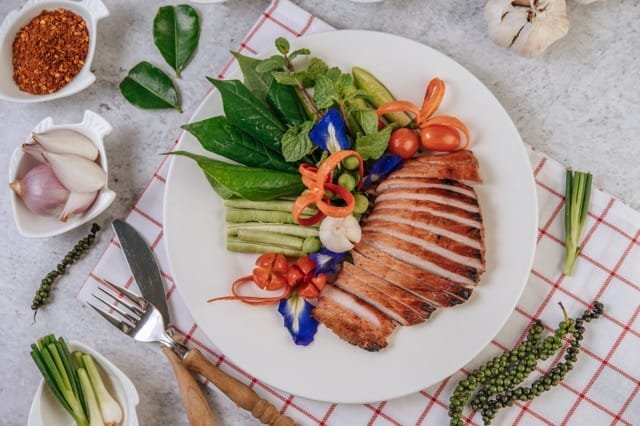
Instead, the greatest improvements occur when multiple evidence-based dietary habits are combined into a sustainable eating pattern such as the Mediterranean diet.
Let’s explore the foods with the strongest scientific support.
1. Coffee: One of the Most Powerful Drinks for Liver Protection
Coffee is arguably the most extensively studied beverage in liver medicine.
Large observational studies consistently show that regular coffee drinkers have a lower risk of:
- Fatty liver progression
- Liver fibrosis
- Cirrhosis
- Liver cancer
Why Coffee Helps
Coffee contains hundreds of biologically active compounds, including chlorogenic acids and polyphenols that:
- Reduce liver inflammation
- Improve insulin sensitivity
- Protect liver cells from oxidative stress
- Lower liver enzyme levels
- Slow scar tissue formation
Best Way to Drink It
Aim for 2–3 cups daily if tolerated.
Choose:
- Black coffee
- Espresso
- Americano
- Coffee with a small amount of low-fat milk
Avoid:
- Sugar-loaded coffee drinks
- Whipped cream
- Sweetened creamers
- Flavored syrups
2. Green Tea
Green tea is rich in catechins, particularly epigallocatechin gallate (EGCG), one of the most potent plant antioxidants studied in metabolic disease.
Benefits
Research suggests green tea may:
- Reduce liver fat
- Improve liver enzymes
- Decrease oxidative stress
- Improve insulin sensitivity
Drink 2–3 cups of freshly brewed green tea daily.
Avoid high-dose green tea extract supplements unless advised by your physician, as concentrated extracts have occasionally been linked to liver injury.
3. Fatty Fish
The American Heart Association recommends eating fatty fish regularly—and patients with fatty liver have another excellent reason to do so.
Choose:
- Salmon
- Sardines
- Mackerel
- Trout
- Herring
Why Omega-3 Fatty Acids Matter
Omega-3 fatty acids help:
- Reduce liver fat
- Lower triglycerides
- Improve insulin sensitivity
- Reduce chronic inflammation
Aim for two servings each week.
Grill, bake, steam, or air-fry instead of deep frying.
4. Extra Virgin Olive Oil
Extra virgin olive oil is the primary fat source of the Mediterranean diet.
Numerous clinical trials demonstrate improvements in liver fat and metabolic health when it replaces saturated fats.
Benefits
Olive oil:
- Improves insulin sensitivity
- Reduces inflammation
- Supports healthy cholesterol levels
- Helps decrease liver fat accumulation
Use it in salad dressings, roasted vegetables, and low-heat cooking.
5. Oats and Other High-Fiber Whole Grains
Dietary fiber plays a central role in improving liver health.
Excellent choices include:
- Steel-cut oats
- Barley
- Quinoa
- Brown rice
- Whole oats
Why Fiber Works
Fiber helps:
- Lower cholesterol
- Improve gut health
- Reduce blood sugar spikes
- Increase fullness
- Promote gradual weight loss
Beta-glucan, the soluble fiber found in oats and barley, has demonstrated particularly promising effects on metabolic health.
Avoid flavored instant oatmeal containing added sugars.
6. Leafy Green Vegetables
Green vegetables provide antioxidants, vitamins, minerals, nitrates, and fiber with very few calories.
Excellent options include:
- Spinach
- Kale
- Arugula
- Swiss chard
- Collard greens
Cruciferous vegetables such as broccoli, Brussels sprouts, and cabbage also contain sulfur compounds that support normal liver detoxification pathways.
Aim for vegetables at every meal.
7. Walnuts
Among all nuts, walnuts are especially rich in plant omega-3 fatty acids and polyphenols.
Research suggests regular nut consumption is associated with:
- Better liver enzyme levels
- Improved cholesterol
- Reduced inflammation
- Better overall cardiometabolic health
Enjoy a small handful daily.
Because nuts are calorie-dense, moderation remains important.
8. Avocados
Avocados provide:
- Monounsaturated fats
- Potassium
- Fiber
- Vitamin E
- Numerous antioxidants
These nutrients support healthy cholesterol levels, improve satiety, and may help reduce liver fat when included as part of a calorie-controlled Mediterranean eating pattern.
9. Garlic
Garlic contains sulfur compounds including allicin, which possess antioxidant and anti-inflammatory properties.
Several clinical studies suggest garlic supplementation may improve:
- Body weight
- Waist circumference
- Liver fat
- Liver enzyme levels
Fresh garlic incorporated into everyday cooking is an excellent addition to a liver-friendly diet.
10. Soy Foods
Whole soy foods such as:
- Tofu
- Tempeh
- Edamame
provide high-quality protein with very little saturated fat.
Replacing processed red meat with plant-based proteins can improve insulin resistance and reduce overall calorie intake, both of which support reversal of fatty liver disease.
Choose minimally processed soy foods whenever possible.
Foods That Worsen Fatty Liver
What you remove from your diet is often just as important as what you add.
Limit or avoid:
Sugar-Sweetened Beverages
Soft drinks remain one of the largest sources of fructose, which strongly promotes liver fat production.
Added Sugars
Excess sugar increases triglycerides and worsens insulin resistance.
Refined Carbohydrates
Examples include:
- White bread
- White rice
- Pastries
- Cakes
- Cookies
Replace them with whole grains.
Processed Meats
Reduce:
- Sausages
- Bacon
- Hot dogs
- Deli meats
Choose fish, legumes, poultry, or soy instead.
Deep-Fried Foods
These foods are typically high in calories, unhealthy fats, and refined carbohydrates.
Alcohol
Even moderate alcohol consumption may accelerate liver injury in many individuals with MASLD. Discuss safe alcohol use with your healthcare provider.
Beyond Food: Lifestyle Habits That Reverse Fatty Liver
Diet alone is powerful—but combining nutrition with healthy lifestyle habits produces the greatest improvements.
Prioritize:
- Losing 7–10% of body weight if overweight
- Exercising at least 150 minutes weekly
- Strength training twice weekly
- Sleeping 7–9 hours nightly
- Managing stress
- Treating diabetes, high cholesterol, and high blood pressure
- Avoiding smoking
The Bottom Line
Fatty liver disease is not simply a liver problem—it is a manifestation of metabolic dysfunction. The same lifestyle habits that improve obesity, insulin resistance, and type 2 diabetes also help the liver heal.
No single food can eliminate liver fat. However, a dietary pattern centered around coffee, green tea, fatty fish, extra virgin olive oil, whole grains, vegetables, walnuts, avocados, garlic, and soy foods, combined with sustainable weight loss and regular physical activity, offers one of the most effective, evidence-based strategies for reversing MASLD.
Remember, the liver is remarkably resilient. Every healthy meal is an opportunity to reduce inflammation, improve metabolic health, and restore liver function. Small, consistent changes made today can prevent cirrhosis, liver failure, and liver cancer in the future.


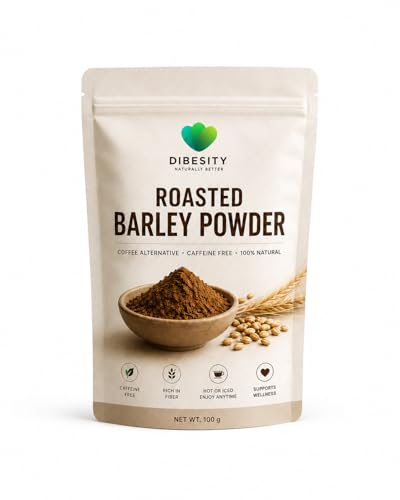

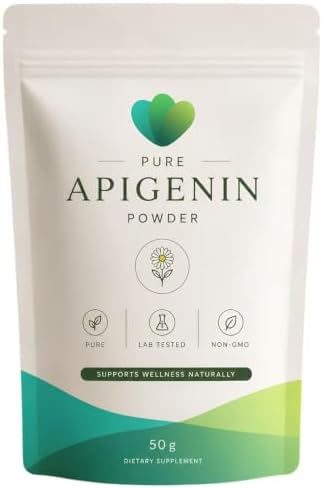

Recommended Products & Affiliate Disclosure
The products listed below are selected from our range of health, wellness, and lifestyle products that readers may find useful. Some links are affiliate links, which means Dibesity.com may earn a commission if you make a purchase through them, at no additional cost to you.
Editorial independence: Our educational and medical content is developed with an emphasis on evidence-based information and reader education. The inclusion of a product in this section does not constitute a medical recommendation, a guarantee of effectiveness, or an endorsement of any health claim. Product descriptions and prices may change, so please check the retailer’s listing for the latest details.
Amazon Associate Disclosure: As an Amazon Associate, Dibesity.com earns from qualifying purchases.
Apigenin Powder
Explore this apigenin powder option and review its ingredients, product details, and customer feedback.
$35.90
View on AmazonBerberine Powder — 200 g
Review the product listing for ingredient information, serving details, and available customer reviews.
$41.90
View on AmazonStrawberry Allulose Gummies
Strawberry-flavored allulose gummies. Visit the listing for product ingredients and package details.
$14.90
View on AmazonPsyllium Husk with Fennel & Cardamom
A psyllium husk blend featuring fennel and cardamom. Check the listing for ingredients and serving information.
$18.90
View on Amazon97% Pure Berberine Powder — 100 g
Berberine powder with a stated purity of 97%. See the product listing for further details.
$25.90
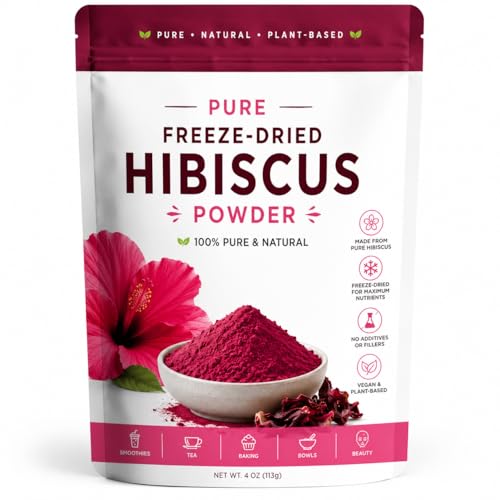
View on Amazon100% Pure Hibiscus Powder
Hibiscus powder for your pantry. Review the listing for ingredient, sourcing, and preparation information.
$14.90
View on AmazonWatermelon Allulose Gummies
Watermelon-flavored allulose gummies. Check the listing for ingredients, package size, and product details.
$14.90
View on AmazonMixed Berry Allulose Gummies
Mixed berry-flavored allulose gummies. Visit the listing for ingredients and available package information.
$16.90
View on AmazonAffiliate Disclosure: As an Amazon Associate, Dibesity.com earns from qualifying purchases. Product prices and availability may change; please check Amazon for the latest information.